This piece is part of the “Anthropology that Breaks Your Heart” series, a project inspired by the work of Ruth Behar’s The Vulnerable Observer (1996).
“En aquel tiempo yo tenía veinte años
y estaba loco.
Había perdido un país
pero había ganado un sueño.
Y si tenía ese sueño
lo demás no importaba.”
Los perros románticos.
by Roberto Bolaño
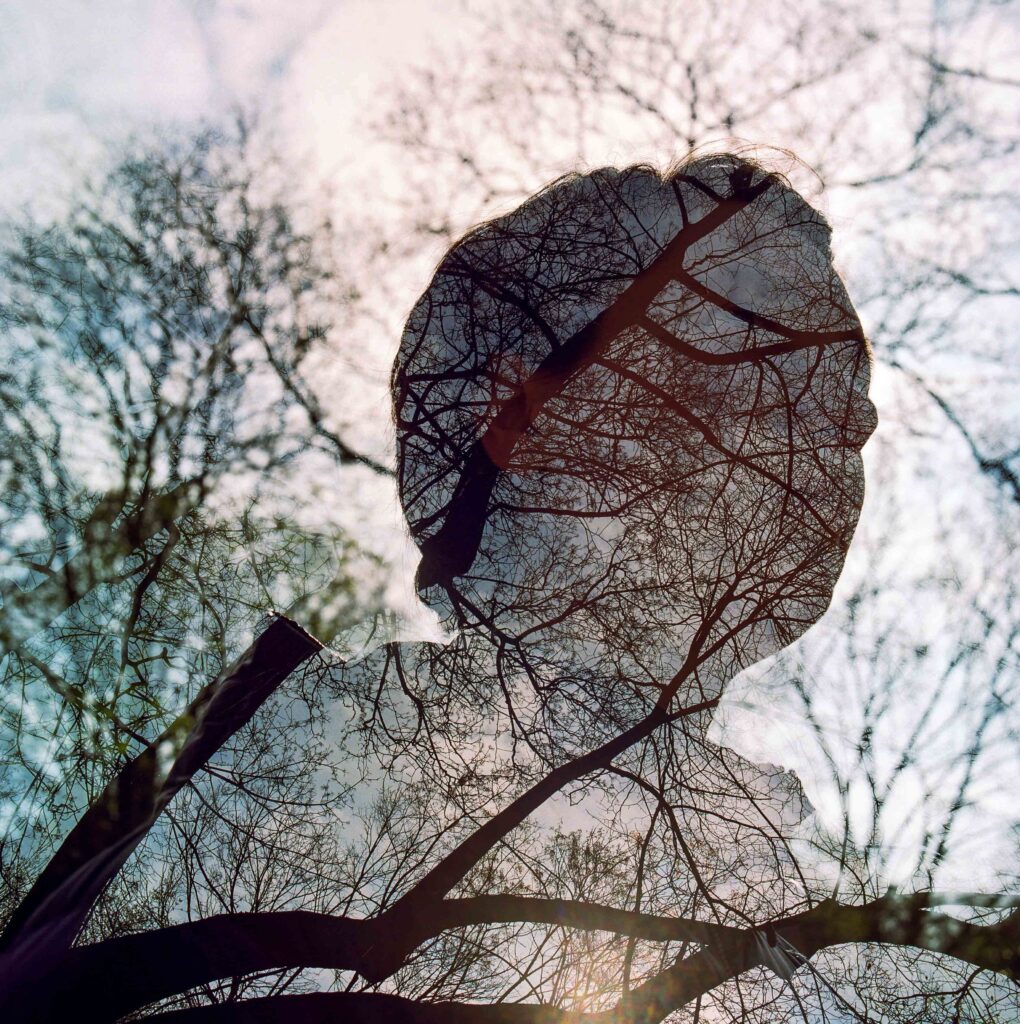
Katya, Ph.D. student from Ukraine. Paris, winter of 2018. Photograph by Camilo Leon-Quijano.
A few months had passed since I arrived in France. I still remember walking in the rain along Rue Sainte-Catherine, in downtown Bordeaux. It was the end of 2012 and my Italian residence permit had just expired. I saw four policemen approaching from the distance. I was gripped with anxiety and fear. What will I say if they stop me? All I have is an old, expired Italian visa, I thought. I knew little about French migration laws and procedures at that time. So, I lowered my gaze and took a deep breath. As I walked past them, the pressure mounted. I felt their scrutiny, and for a moment, anything seemed possible. And not in a good way. Maintaining my pace and avoiding their gaze, I continued forward, regaining my composure only once they had passed.
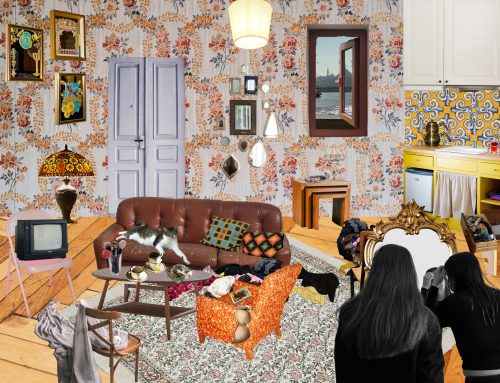
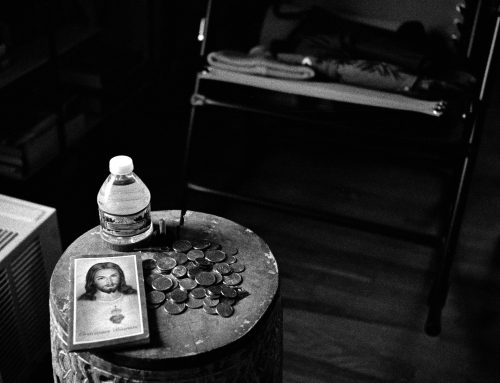
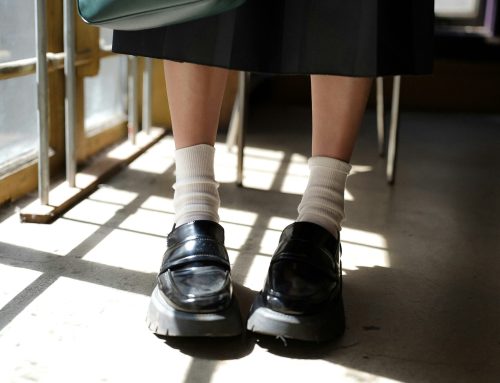
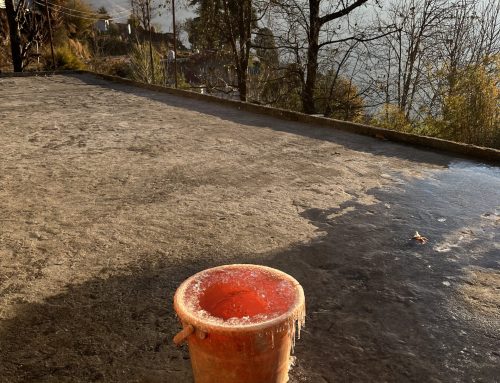
Among my most vivid memories from my early years in Europe are the constant administrative anxieties, the uncertainty, and the relentless feeling of being out of place. This photographic series, created between 2018 and 2019, captures places, objects, individuals, and sensations linked to that experience of vulnerability which is not only mine. The series follows a sensory and poetic narrative to illustrate the fragility of non-European Union students in France—a fragility that is fundamentally political and rooted in structures of exclusion. It stems from a broader struggle over who is considered legitimate within the social, political, and national frameworks that young scholars navigate. This essay intertwines my personal experience as a Colombian PhD student in France with portraits of places, colleagues, and objects that evoke the states of risk that accompany life abroad. I explore the challenges faced by non-EU researchers in the context of a shifting political realm in French academia, while also examining the tensions between belonging, identity, and the pursuit of recognition within Europe’s rapidly changing socio-political landscape. These photographs explore how visual, iconic, and graphic choices guide the depiction of personal, sensory, and political issues. In doing so, I situate photography as an expressive object that connects observation and affective experience.
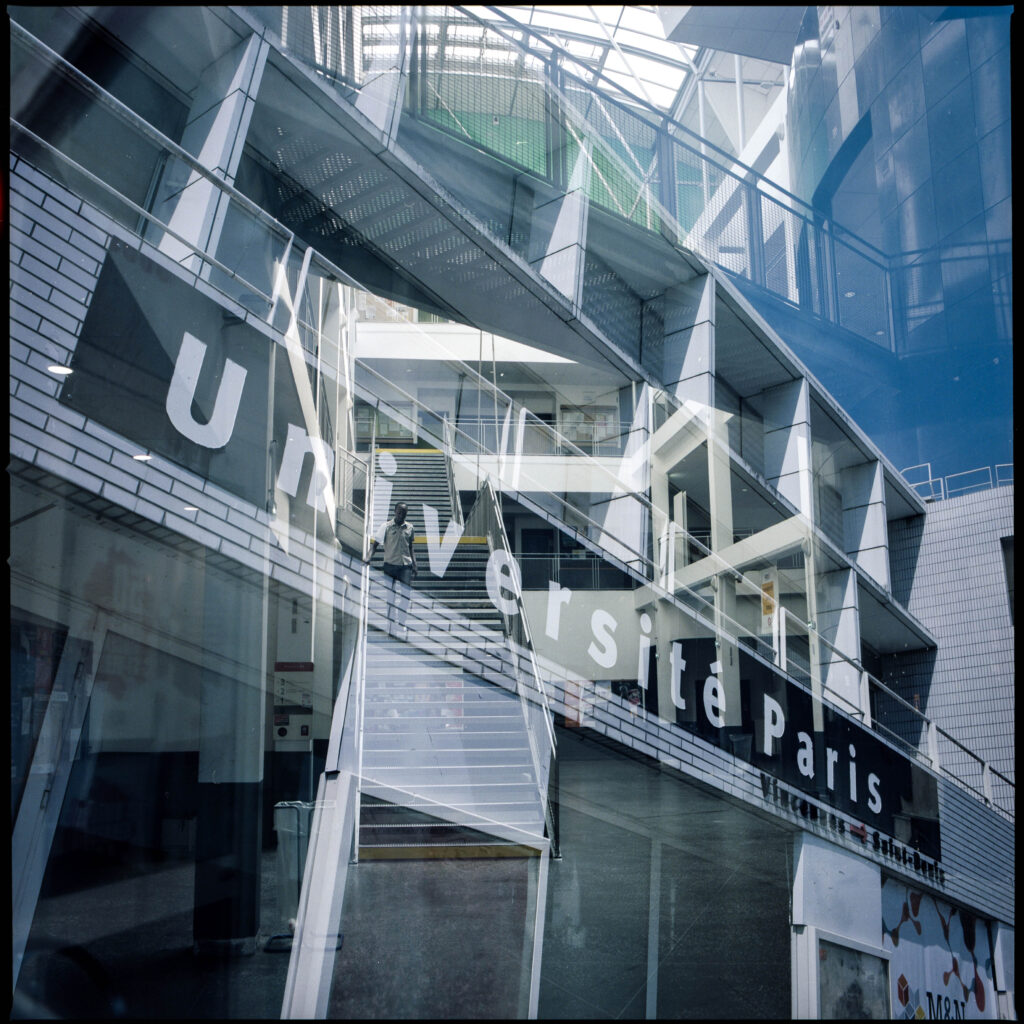
Untitled, 2019. Photograph by Camilo Leon-Quijano.
Photography has long been an integral part of my ethnographic practice; taking photos allows me to capture emotions that are difficult to express verbally or textually. By depicting people, places, and objects, I open spaces for expression and polysemous interpretations of personal, social, and political realities (Leon-Quijano 2022b). I reflexively embrace vulnerability as an inseparable aspect of ethnographic practice (Behar 1996), and in this photo-essay situate these experiences within the broader political context of the liberalization, discrimination, and recent transformations of academia in France (Bréant and Jamid 2019; Tracés and Noûs 2020).
1. Liberalizing and dismantling: Bienvenue en France
At the end of 2018, former French Prime Minister Édouard Philippe introduced the Bienvenue en France plan, which included a fifteen-fold increase in tuition fees for non-European students compared to the fees traditionally paid by local students. This plan aimed to liberalize French higher education by implementing restrictive policies that favor the migration of wealthy students while raising fees for non-EU students (Bréant and Jamid 2019). In 2018, I was pursuing a PhD at Ecole des Hautes Etudes en Sciences Sociales (EHESS) in Paris. Since the announcement of the plan, I had been deeply concerned about the impact of these fees, not only for myself and my colleagues, but also for future non-European students who might never be able to enroll. What would happen if we could no longer afford our studies? Would we still be granted residence cards if we failed to meet the high-income requirements set by the new government?
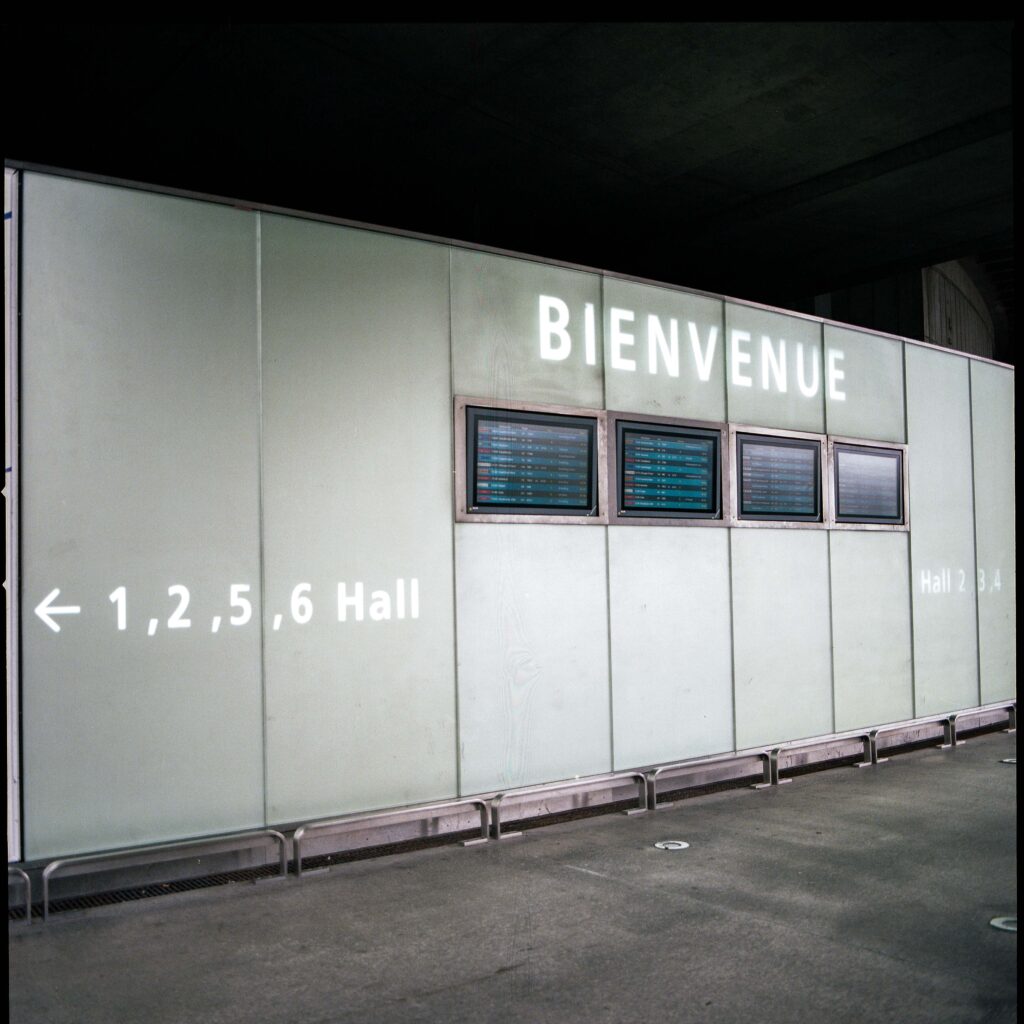
Aéroport Charles de Gaulle, Roissy, 2018. Photograph by Camilo Leon-Quijano.
These questions are an inseparable part of my life and academic journey, that has been shaped by access to public education. After starting my bachelor’s at Colombia’s public Universidad Nacional, I moved to Europe for graduate studies, where tuition in Italy and France was as low as for local students. This opportunity allowed me to pursue an academic path all the way to the doctoral level, a path that would’ve been far more difficult and precarious in a fully fee-paying system. I’ve come to appreciate the rare gift of studying and working within a social welfare state. France’s public universities with near-free tuition, figure as pillars of public knowledge—they welcome students from all walks of life to higher education. It is my conviction, then, that public institutions are vital in fostering democratic dialogue and critical thinking. In what follows I ponder what the stakes are in maintaining this access, by photographically observing the people that were targeted by the imposition of fees.
2. Vulnerabilities, fragilities, and illegitimacies
Since my arrival in France in August 2012, I had to renew my residence card regularly. The “titre de séjour” allowed me to study and build a new life in a country that gradually became my home. That tiny piece of plastic grants you the right to live and build a life in France. Without it every aspiration, every plan withers before it can grow. For some, it comes easily; for others, the path is fraught. Money, family ties, and the country you come from tip the scales.
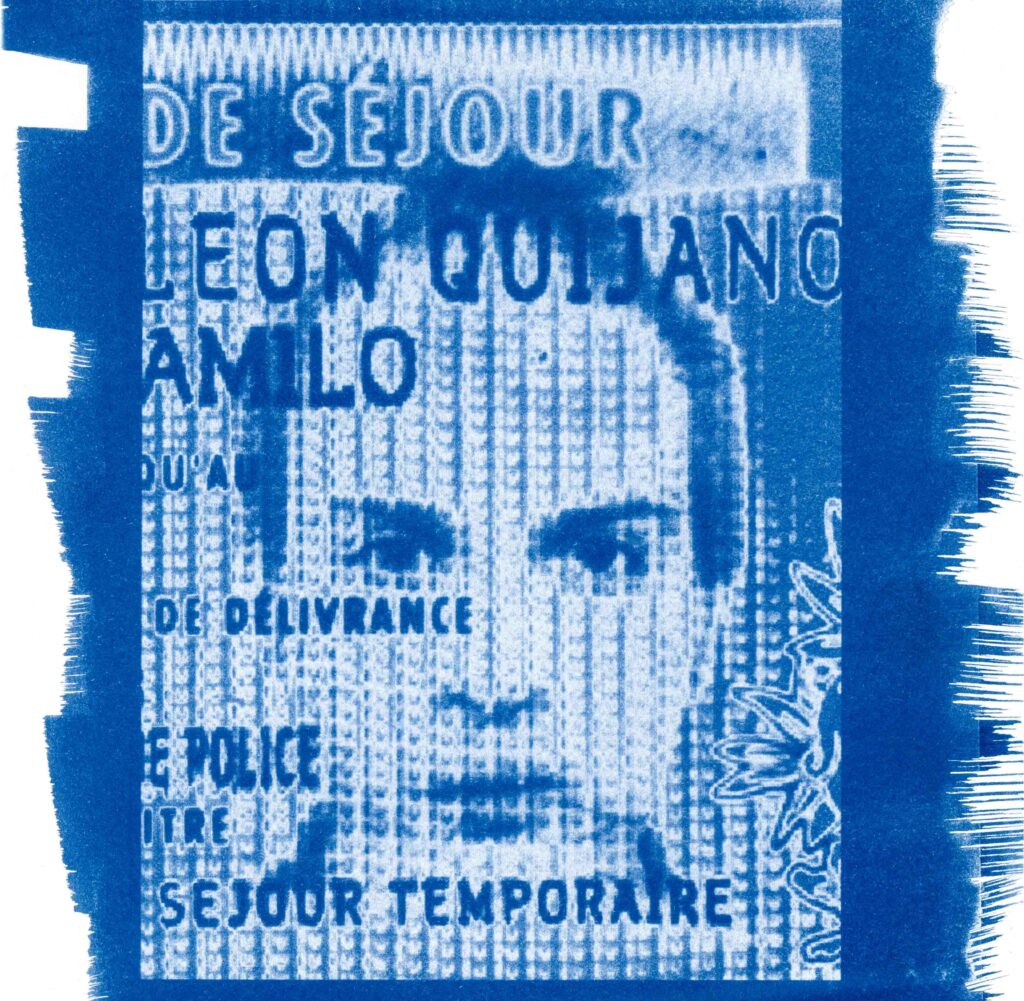
Cyanotype made from the portrait on the author’s 2013 “titre de séjour” (residence card). Photograph by Camilo Leon-Quijano.
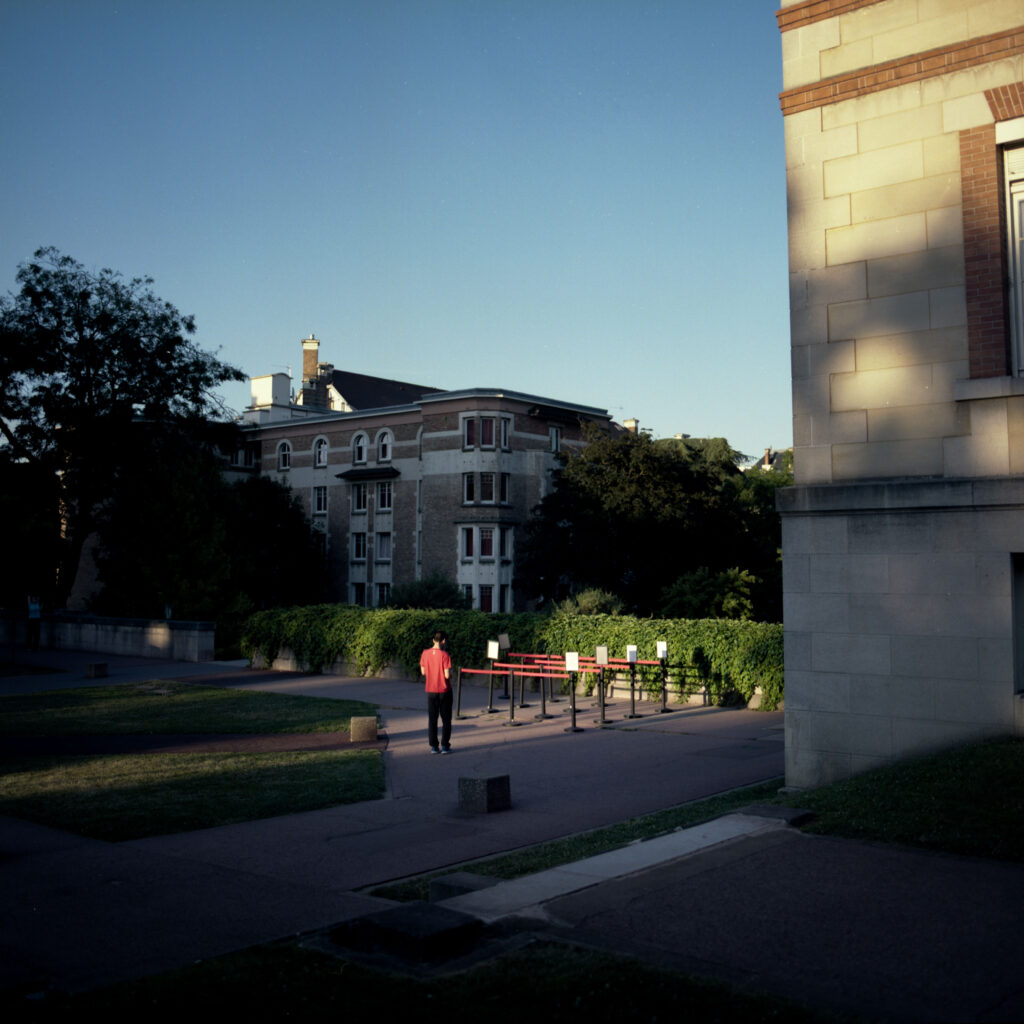
Outside the “Préfecture” student bureau at La Cité Universitaire in Paris, where some of the student titres de séjour were processed, 2018. Photograph by Camilo Leon-Quijano.
Having and renewing a titre de séjour is a ritual and a test of patience. Like most of my non-EU colleagues, I used to spend months waiting for an answer. This object is an opportunity, a privilege, an obsession, a gift, and foremost a source of anxiety. Its expiration date signifies the deadline and the end of the race—the race to obtain a receipt that would allow me to continue building my life, career, friendships, and family in this place I now call home. While the “burden of the threat” of being removed from the country is considerably weaker for PhD students, the sense of “deportability,” as Nicholas de Genova (2002) describes it, remains a significant aspect of my experience as a foreign researcher building a career as an anthropologist in France.
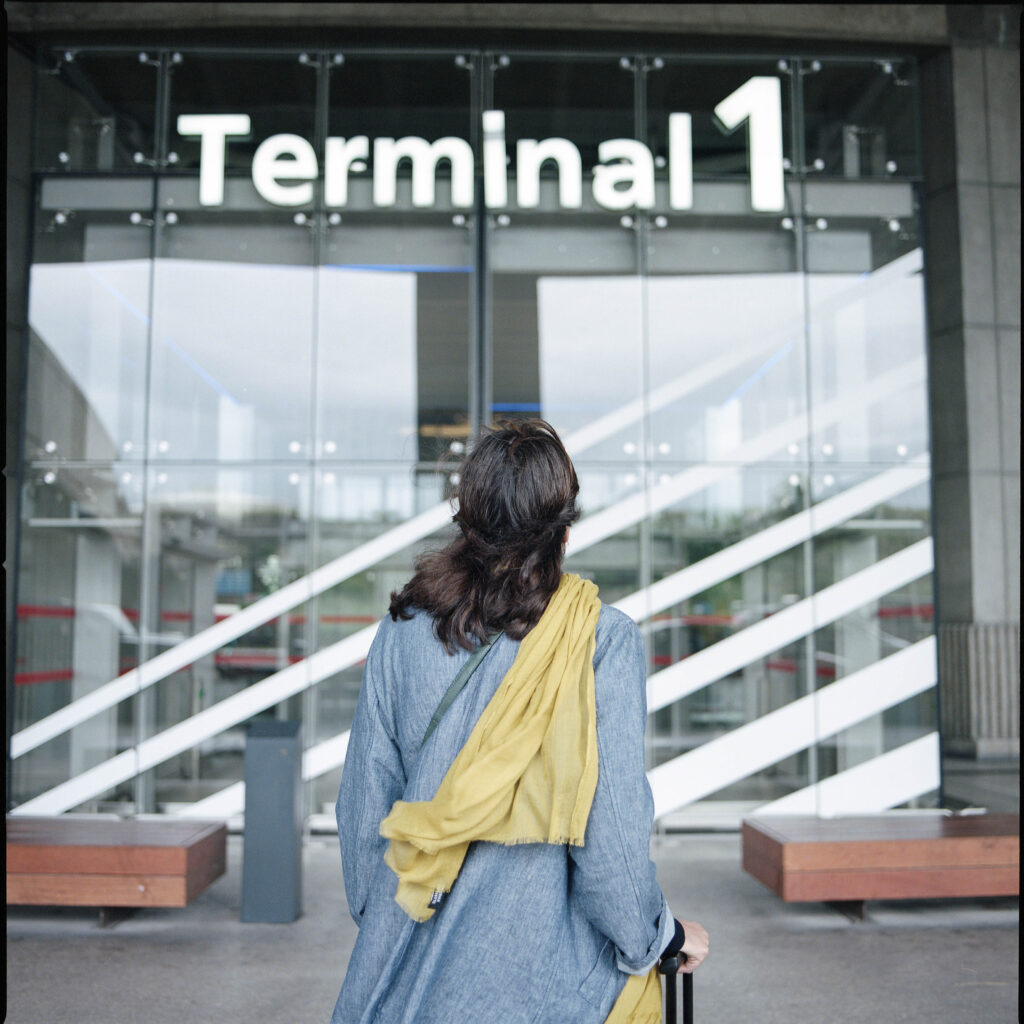
Shahnaz, PhD student from Iran, Roissy, 2019. Photograph by Camilo Leon-Quijano.
At the time, I was conducting my doctoral fieldwork in Sarcelles, a marginalized banlieue to the north of Paris. France was still reeling from the 2015 terrorist attacks, which heightened social tensions between communities and fostered a climate of repression and suspicion. Amid this environment of violence and political uncertainty, I often felt a deep sense of loneliness and fragility. I was haunted by the fear of being forced to return to Colombia. Since my research was situated in a stigmatized zone, I intentionally avoided “high-risk” interactions where violence, drug trafficking, or deviance could jeopardize my migratory status (Leon-Quijano 2022a).
I found myself caught between two conflicting tensions: on the one hand, a hostile political and migratory climate, coupled with a constant fear of being unable to renew my residence card; and on the other, I was aware that my struggles were relatively insignificant compared to the far more critical situations faced by less privileged groups. This inner struggle fostered a latent sense of anxiety, diffuse stress, and deep malaise, as I felt illegitimate in my own distress. How could I express my concerns while recognizing that others were experiencing a far greater sense of insecurity than I was?
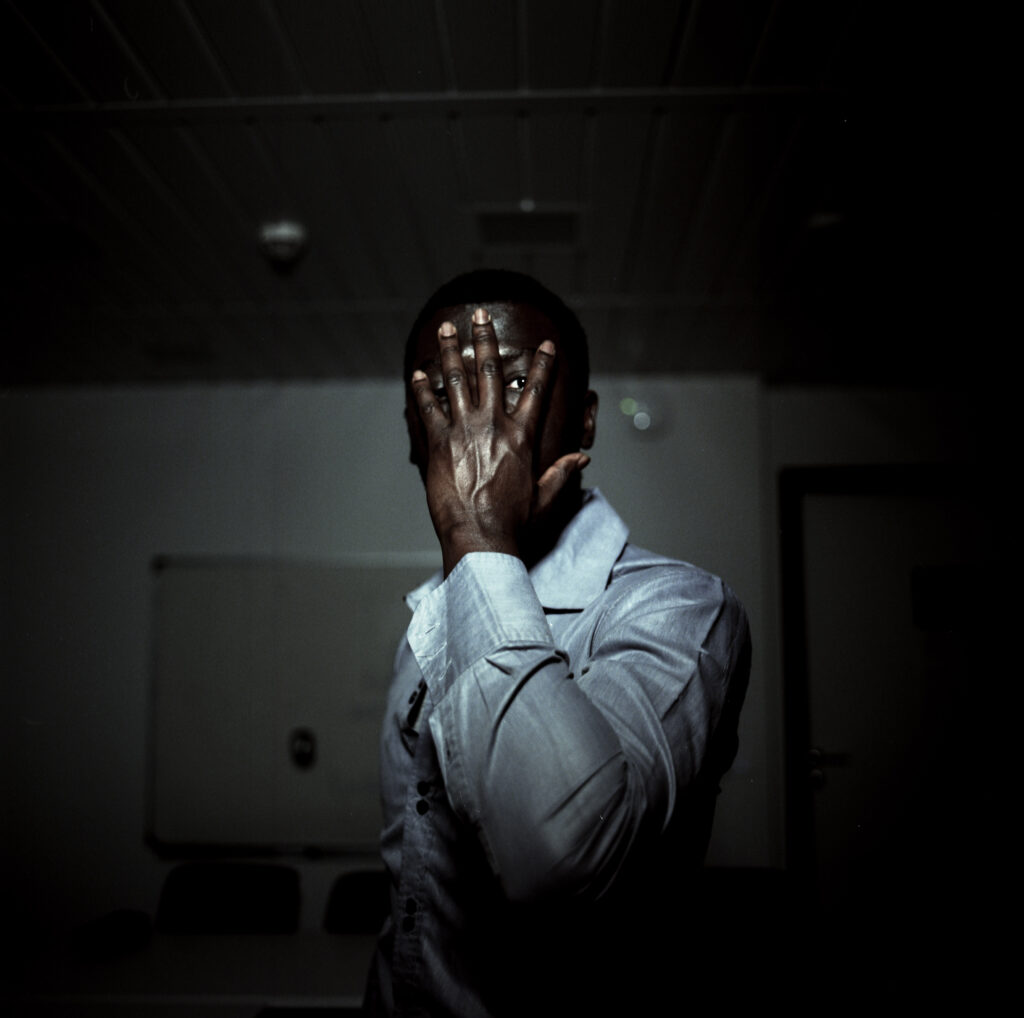
Amadou, PhD student from Senegal, Paris, 2019. Photograph by Camilo Leon-Quijano
3. Photographing otherness and vulnerability
I felt compelled to carve out a space for reflection amid this tension. Photography became a way to critically engage the hinge between vulnerability and resilience; I transformed these contrasting personal emotions into collective narratives that reimagined what it means to research and live in times of uncertainty. I collaborated with colleagues to depict experiences of estrangement, otherness, and discrimination fostered by the Bienvenue en France program. Photography had a double purpose. It served as a deeply personal emotional outlet that allowed us to express feelings that often went unspoken. It also became a means for sharing and discussing the experience of being othered by the ideological and political shifts that French academia was undergoing.
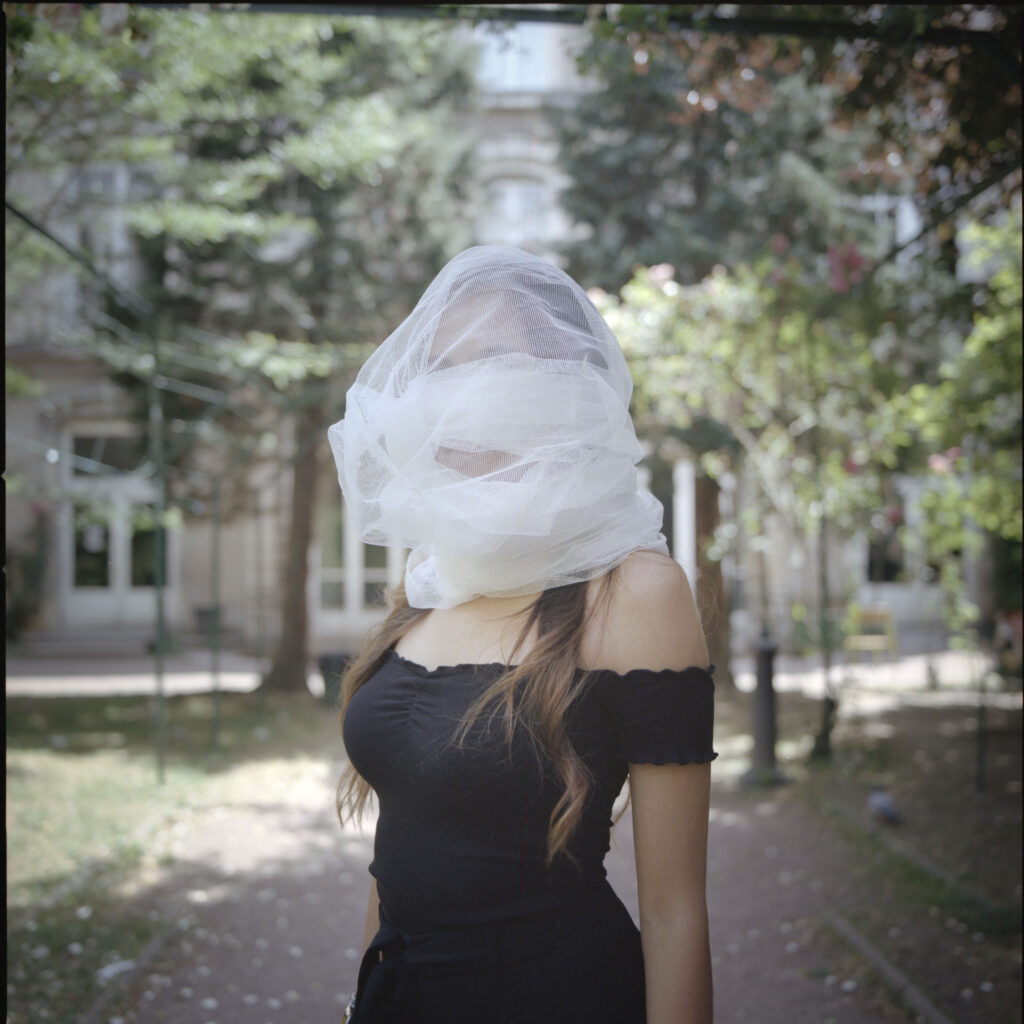
Untitled. Photograph by Camilo Leon-Quijano.
The implementation of the Bienvenue en France plan marked a break with the tradition in which education figures as a universal right accessible to all. It transformed education into a commodity reserved for those who can afford to pay, effectively excluding individuals who had previously benefited from this inclusive system, particularly those from African, Asian, and Latin American countries (Kabbanji 2019).
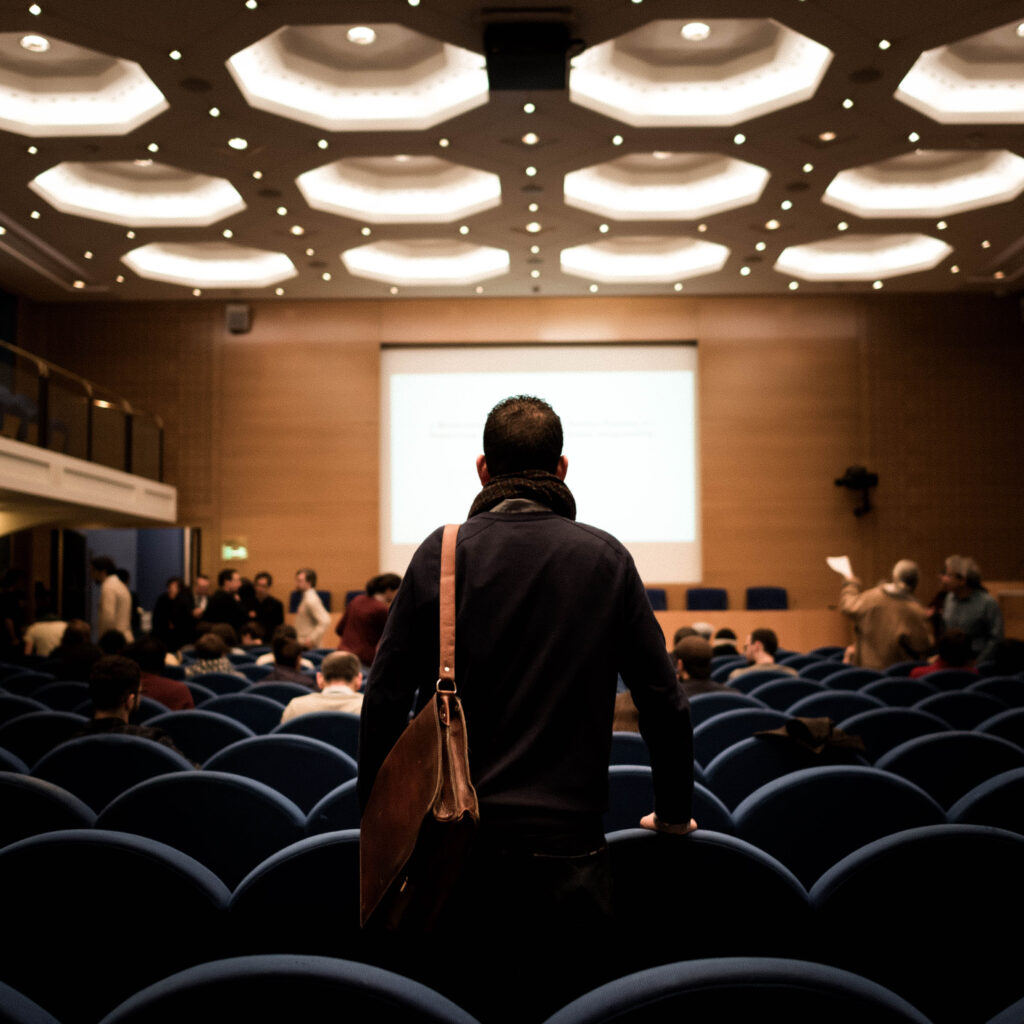
Members of the Carrés Rouges movement at a Senate debate on the increase of tuition fees for non-European international students, Paris, 2019. Photograph by Camilo Leon-Quijano.
Resistance movements began to emerge in response. The Carrés Rouges, in particular, provided members of the academic community a space to share and assert their collective identity in response to the exclusionary, market-oriented shift promoted by the liberal right-wing government. Amid protests, classes, writing, and field research, I used my camera to highlight the struggles we faced during a turbulent period, where our experiences as foreign students were shaped not only by political upheaval but also by new forms of economic discrimination. Photography forced me to take a break, to start noticing differently, and in that way, it asserted itself as a form of personal resistance. By capturing moments in time, I let myself become unfettered and to exist in a different register. It became my form of withholding.
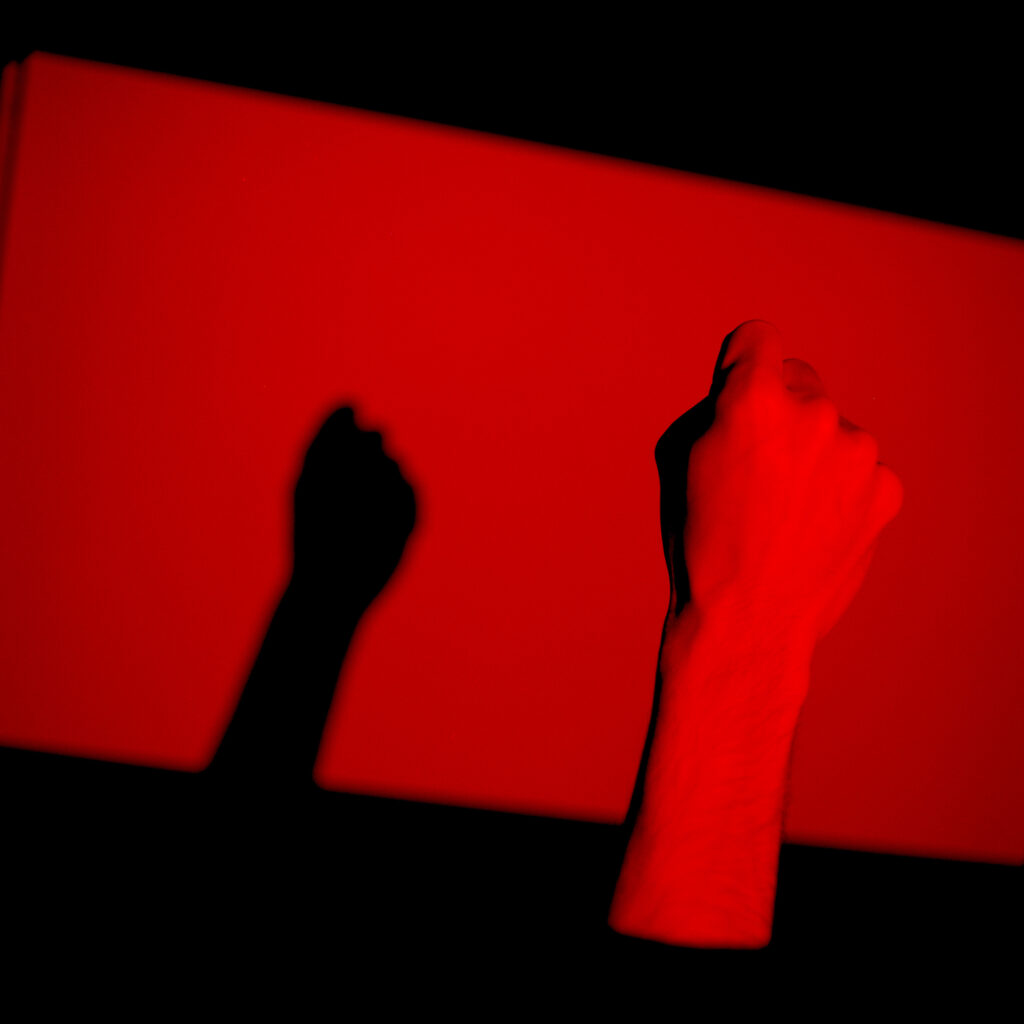
Carré Rouge. The red square emerged as the emblem of student resistance against the Bienvenue en France plan. Across France, a wave of protests unfurled, sweeping through cities and campuses alike (https://universiteouverte.org/tag/carres-rouges/). Photograph by Camilo Leon-Quijano.
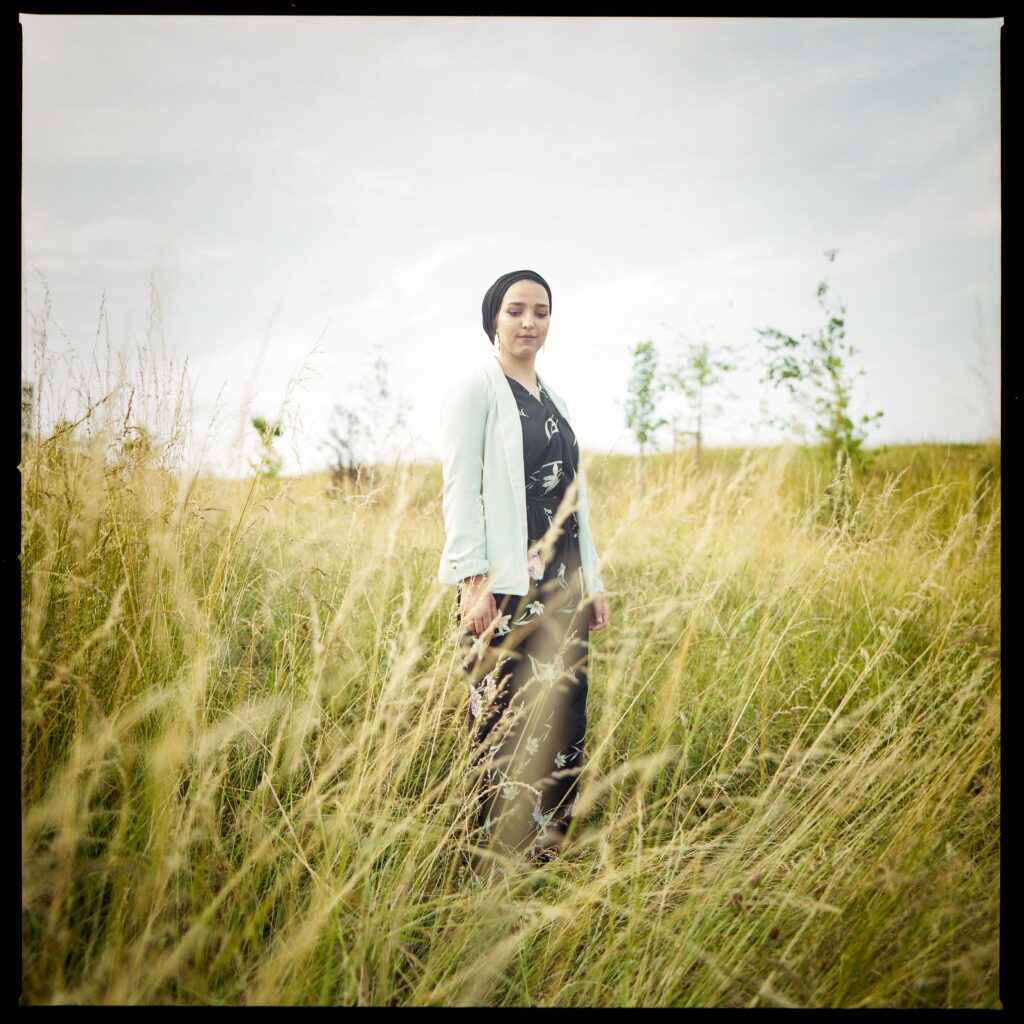
Wafa, graduate student from Tunisia, Vandoeuvre-les-Nancy, 2019. Photograph by Camilo Leon-Quijano.
While the situation of graduate and postgraduate students may not be as violent, unjust, or dramatic as those experienced by many marginalized migrant groups in France, a pervasive sense of vulnerability influenced our lives. This feeling shapes how we conduct our research and build our careers. It has been further intensified by discriminatory policies enacted by French liberal governments over the past eight years, which exclude and deepen inequalities between European and non-European students and scholars (Donada 2023). Amid the alarming rise of fascism across Europe, the principles of equal access to higher education are under siege. Scientific freedom and freedom of expression are more threatened than ever, particularly for researchers who lack “the right ID” or “the right citizenship.” This is particularly true for those of us from the Global South working and studying in/on the Global North. Now more than ever, anthropology must confront these colonial, neoliberal, and fascist power struggles head-on. Situating knowledge within these oppressive structures is essential not only for a critical anthropology, but also for transforming our vulnerabilities into tools of resistance and emancipation.

Untitled. Photograph by Camilo Leon-Quijano.
References
Behar, Ruth. 1996. The Vulnerable Observer: Anthropology That Breaks Your Heart. Beacon Press.
Bolaño, Roberto. 2000. Perros romanticos. Lumen.
Bréant, Hugo, and Hicham Jamid. 2019. “‘Bienvenue en France’… aux riches étudiants étrangers.” Science Politique. Plein droit 123 (4): 11–14.
De Genova, Nicholas P. 2002. “Migrant ‘Illegality’ and Deportability in Everyday Life.” Annual Review of Anthropology31: 419–47.
Donada, Emma. 2023. “Est-il vrai que « tout est payé » aux riches étudiants étrangers qui étudient à l’université, comme le dit Macron ?” Libération, September 6.
Kabbanji, Lama. 2019. “Le plan Bienvenue en France : nouveau volet d’une politique migratoire sélective – Institut Convergences Migrations.” De Facto, March 15.
Leon-Quijano, Camilo. 2022a. “‘C’est le photographe colombien.’” Journal des anthropologues. Association française des anthropologues, nos. 170–171 (December): 170–171.
Leon-Quijano, Camilo. 2022b. “Why Do ‘Good’ Pictures Matter in Anthropology?” Cultural Anthropology 37 (3): 3.
Tracés, and Camille Noûs. 2020. “« Bienvenue en France ! ».” Tracés. Revue de Sciences humaines, no. 39 (September): 39.
Acknowledgements
I would like to thank all the colleagues and friends who took the time to participate in this project and who agreed to both portrait sessions and interviews. Special thanks to Hicham Jamid for his dedication and guidance throughout this project. I also thank Alex Dantzer for their careful review and valuable suggestions for improving this essay.
Camilo Leon-Quijano is an anthropologist and photographer, currently a permanent researcher at the French National Center for Scientific Research (CNRS – AAU CRESSON, ENSAG, UGA). He holds a PhD from EHESS. His work explores the relationships between photography and urban anthropology through multimodal, creative, and participatory approaches in France, Colombia, and Portugal. In his latest books, La Cité: Une Anthropologie Photographique (Éditions de l’EHESS, 2023), recipient of the John Collier Jr. Award from the SVA/AAA, and Strata: Unruly Ethnographies of Troubled Worlds (SunSun, 2025), he depicts the affective and sensory textures of urban life. www.camilo-leon.com
Cite as: Leon-Quijano, Camilo. 2026. “Bienvenue en France: The Poetics of Vulnerability by Camilo Leon-Quijano.” In “Anthropology that Breaks your Heart: The Risk of Proximity,” edited by Alexandra Dantzer, Uyen Dang, and Emma Kahn. American Ethnologist website, 27 March. [https://americanethnologist.org/online-content/collections/anthropology-that-breaks-your-heart-the-risk-of-proximity/bienvenue-en-france-the-poetics-of-vulnerability-by-camilo-leon-quijano/]