“Time present and time past
Are both perhaps present in time future,
And time future contained in time past.
If all time is eternally present
All time is unredeemable.”
– T. S. Eliot, Four Quartets
In 1953, the photographer Cornell Capa captured three men hauling a television set up an unpaved hillside on the outskirts of Caracas. Venezuela was then in the midst of an oil-funded modernization remaking its city centers, yet the infrastructures of that transformation had not reached these peripheries. Capa’s photograph records the arrival of a modernist promised future unmatched with the underdeveloped landscape inhabited by the working class. The image invites questions that animate this collection. What futures are promised, by whom, and at what cost?
From nationalist slogans and visions of collective prosperity to infrastructure projects and development agendas, temporal claims about tomorrow condition the subjectivities, aspirations and exclusions of today. Rebecca Bryant and Daniel Knight (2019) called for renewed attention to what they termed “the future of the future in anthropology,” urging the discipline to be attuned to the temporal orientations that shape social and political life. This collection expands that conversation by specifically asking how futures are promised to people as instruments of political subjectification, how temporal claims regulate behavior and generate moral worlds, and determine who is included in collective projects and who is made to carry modernity uphill. Anthropologists and human geographers in this collection engage with the political implications of anticipation, aspiration and temporal governance.
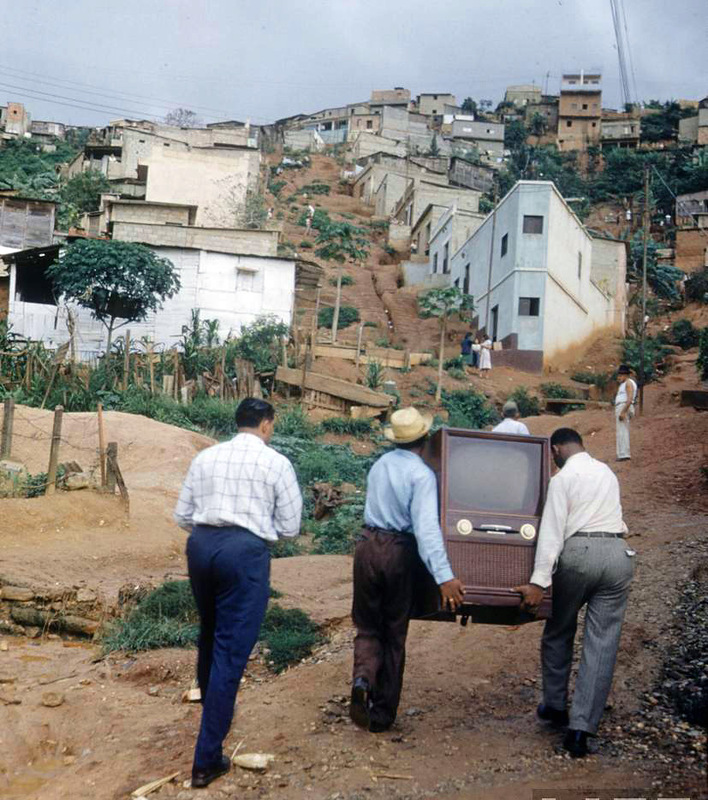
Men carry a television set uphill to a neighborhood on the outskirts of Caracas, Venezuela. Photo by Cornell Capa/The LIFE Picture Collection via Getty Images. Originally published in LIFE Magazine, September 21, 1953.
Spatializing tomorrows
Several contributions to this collection explore how the built environment serves as a canvas onto which collective tomorrows are projected, and what remains when those projections fail. Deana Jovanović examines a copper mining town in Serbia where populist promises of industrial revival stage a return to Yugoslav-era greatness, producing a chronopolitics in which inhabitants organize their lives “as if” the promised future was already arriving, even as prolonged instability makes long-term aspiration difficult to sustain. Lindsay Bell reads a Cold War-era high-rise in Hay River, Canada, as an “architecture of extraction.” Built to house the labor force of a northern industrial boom, the tower now stands empty, as a material reminder of a prosperity that came and went. Paul Basu and Jonas Tinius walk us through a city suspended by a promised past, where they observe how “every utopia is built on—and, in some senses, from—the ruins of another.” Isaac Silver turns to the cholets of Bolivia, buildings whose colorful and sculptural facades anticipate a rising Aymara and Quechua urban bourgeoisie connected to the global import of plastic. Across these accounts, space is coded by temporality, forcing its inhabitants to negotiate between the configuration of past visions, imagined futures and the present they occupy.
Future exclusions
Several authors are concerned with how promised futures emerge as ideological tools of exclusion. Temporality is used to distinguish those who belong to the collective project from those deemed unready for it. Thomas Long traces how the evangelical vision behind “Make America Great Again” constructs a morally and politically unified America modelled on Texas, exemplifying a nationalist imagination of a future built on those it does not include. Loren Landau shows how South Africa’s Gauteng Province is shaped by multiple, fragmented and conflicting moralized spacetimes in which locals and migrants inhabit different relationships to past promises of security, racial equality, and national transformation. The result is a kind of “marooning” in space and time where the capacity to imagine a collective future has begun to erode. Hannah Morgan follows a migrant in the United Kingdom who is in perpetual anticipation of a “banal” future during the aftermath of her asylum. Teresa Irigoyen-Lopez emphasizes clashes in promised futures through a town in China whose newly developed European architecture has been designed to anticipate the return of emigrants from Europe, subsequently changing the town’s character to an extent that detracts from their return. These accounts are connected in their recognition that the imagination of collective futures can function as a mechanism that regulates who needs to wait and who gets to move ahead.
Prediction, body, and nature
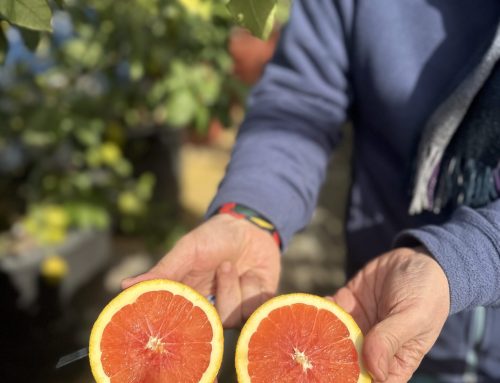
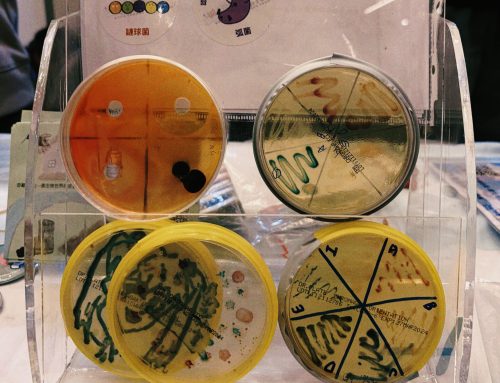
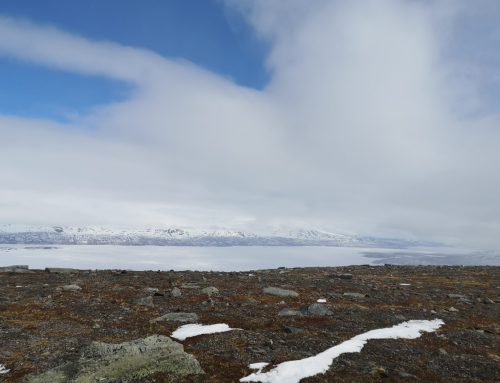
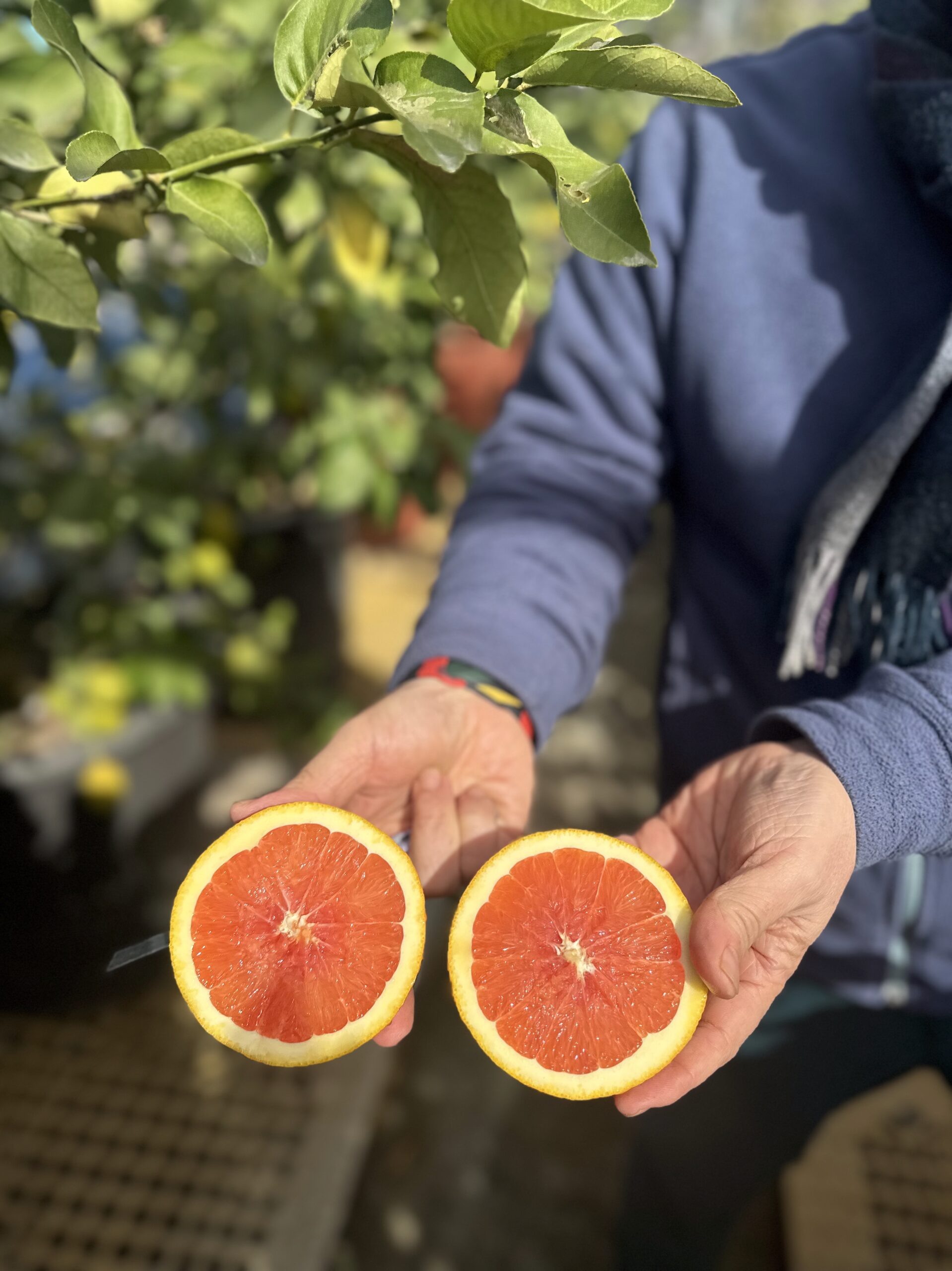
Promised futures operate at multiscalar sites and temporalities such as organisms, bodies and ecosystems, shaping people’s relations with the material and organic world. Emanuele Prezioso explores pottery-making in Greece as a form of future-making, arguing that the act of shaping clay draws on memory while remaining open to the unrealized possibilities inherent in every gesture. The finished object is never fully determined by the past from which its techniques descend. Hanna Oosterveen follows environmental scientists in the Swedish Arctic whose research ethics are motivated by the vision of a better ecological future, even as the scientists themselves hold divergent opinions of what that future would and should look like. Shi Yeu Nga brings us to the microscopic and the ingested. The author explores a growing fixation with probiotic supplements in Taiwan, revealing how industries market optimized longevity and mental wellbeing as purchasable tomorrows. June Hee Kwon traces the temporal entanglements of citrus farming in Jeju, South Korea, where farmers invest years of care, money, and kinship in trees whose survival and yield remain uncertain. In her piece, waithood becomes the shared condition of human and plant alike, an open temporality in which agricultural outcomes cannot be controlled by human agency alone. These contributions complicate our relationship to the future by bringing more-than-human temporalities into the picture, emphasizing how future-making is shaped by and shape the corporeal and natural landscapes.
Weight of futures
The essays in this collection move across fractured spacetimes such as Baptist churches, Arctic stations, utopian cities, citrus groves, industrial high-rises and human guts, tracing how promised futures materialize in built environments, determine who belongs and who waits, and settle into bodies and ecosystems. Capa’s photograph mirrors the fractured spacetimes captured in this collection. The pictured men remained tethered to a present coded as the underdeveloped past, conscripted to carry modernity’s objects across a space that modernity’s infrastructure had not reached. The collection makes evident that promised futures are often claims made in the present by those with the political authority to define what tomorrow should look like, and in what form and for whom it will be delivered. These temporal politics inspire and regulate social worlds while also excluding and stranding many inhabitants. To attend ethnographically to these temporal politics, as the authors in this collection do, is to ask who carries the weight of futures and who waits for futures promised to be about to arrive, always around the corner.
References
Bryant, Rebecca, and Daniel M. Knight. 2019. The Anthropology of the Future. Cambridge University Press.
Ibrahim Ince is a DPhil researcher in Anthropology at the University of Oxford specializing in social life, material culture and borders in post-conflict settings.
Erick Moreno Superlano is a DPhil researcher in Migration Studies at the University of Oxford. His work lies at the intersection of human geography, migration studies, and social theory.
Cite as: Ince, Ibrahim and Erick Moreno Superlano. 2026. “Introduction: Promised Futures.” In “Promised Futures,” edited by Ibrahim Ince and Erick Moreno Superlano, American Ethnologist website, 9 July. [https://americanethnologist.org/online-content/collections/introduction-promised-futures-by-ibrahim-ince-and-erick-moreno-superlano/]
This piece was edited by American Ethnological Society Digital Content Editor Kathryn E. Goldfarb ([email protected]).