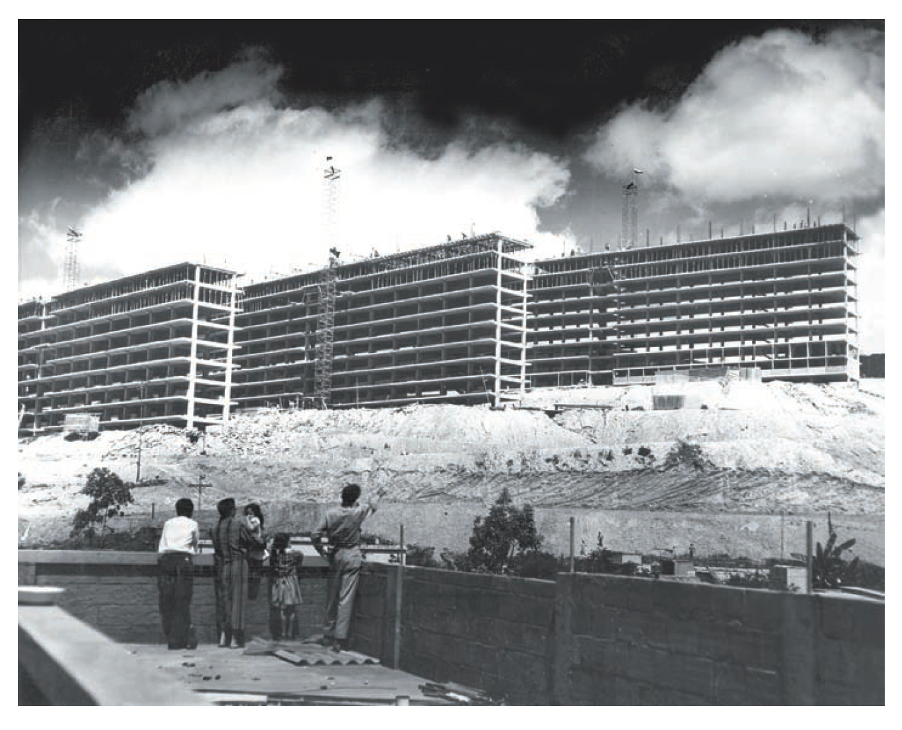
Clara Beccaro, The New School for Social Research
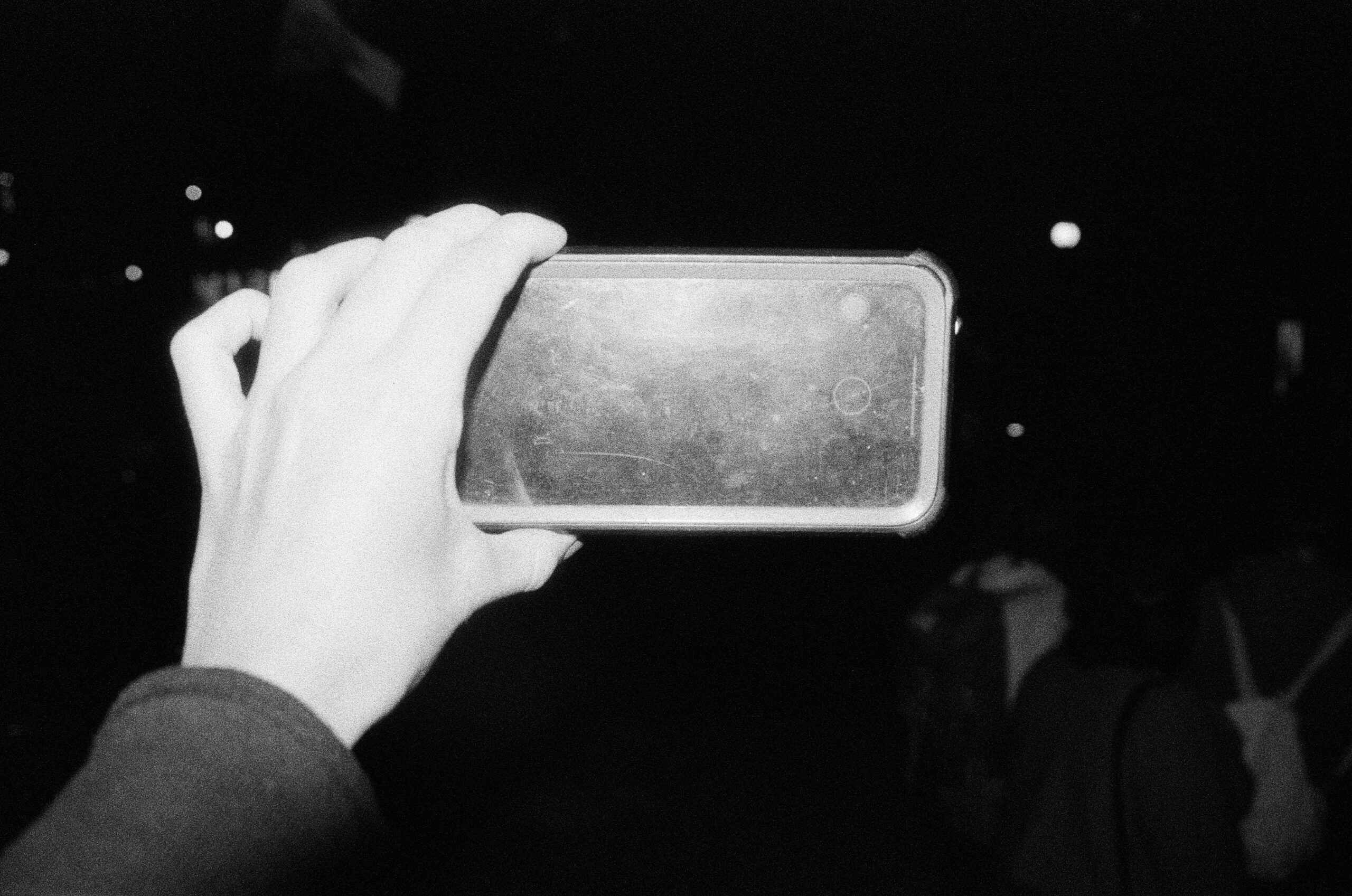
Photo by Clara Beccaro.
From the beginning of traditional fieldwork and fieldnotes in the early 20th century, the camera and audio recorder have been regular companions for the ethnographer. The photograph, popularly considered an objective representation of the world, intended to serve as a form of evidence to demonstrate, prove, and thereby promote arguments. Yet, photographs are not unbiased depictions of reality and in fact are the product of specific ideological conditions and technical decisions. The recorder, too, has long carried the promise of objectivity: a seemingly neutral tool for capturing voice, atmospheres, and emotions. But what and how it records are shaped by choices of framing, proximity, and technology. Microphones select and amplify certain sounds while excluding others; recording devices translate embodied encounters into acoustic traces that can be replayed, edited, and analyzed—detaching voices from the contexts and relationships in which they were originally heard.
How do documentary practices in the field produce representations of “reality” that recursively shape lived experience? How might experimenting with ethnographic audio-visual content reveal the conditions of its own production?
Informed by a critical analysis of the manufacturing of ethnographic audio-visual documentation, this collection is intended to be a discussion and virtual exhibit of audio-visual media created through anthropological investigation. Thinking about AV media as a creative rather than a purely representational method of data generation, we are looking for audioscapes, photography, short videos, paintings, sketches and other forms of audio-visual media that speak to the meta-analytical dimension of ethnographic production. Thus, we encourage AV media submissions that reflect on experimental and artistic methods in fieldwork.
Each submission should include an explanatory text (max 1,000 words) that situates the audio-visual material within the broader conceptual framing of this collection. This text should briefly describe the context of production (i.e. the fieldwork setting, the methodological or experimental approach, and the author’s intentions) and articulate how the work engages with questions of creative ethnographic practice. The text will undergo editorial review and will be published alongside the media in the online exhibit to provide viewers with a concise frame for engaging with the audio-visual work.
Submissions will be received until January 31, 2026 via this Google form. (This deadline has been extended!)
Up to (2) submissions are allowed per person.
Authors will be notified of their selection in early January, with the intention to publish this collection in late spring.
For questions, please email avmediacollect.aes@gmail.com; you may also contact the AES Digital Content Editor at kathryn.goldfarb@colorado.edu.